




dConcept/ hk

I turn repeated work into useful tools.

A digital builder in Hong Kong. I map the job, find where the time actually goes, and work out what would fix it. Sometimes that is an AI workflow or a script, sometimes a small web product, sometimes just a better process. Then I build it.

About

More than eleven years in tech, working across startups, agency teams, and client projects. I have spent most of that time getting from an unclear brief to something that works outside the meeting.

I started in websites and digital products. Now more of the work involves AI, but the job has not changed as much as the tools have. You still have to understand the process, decide what should stay human, build the first version, and see where real use proves you wrong.

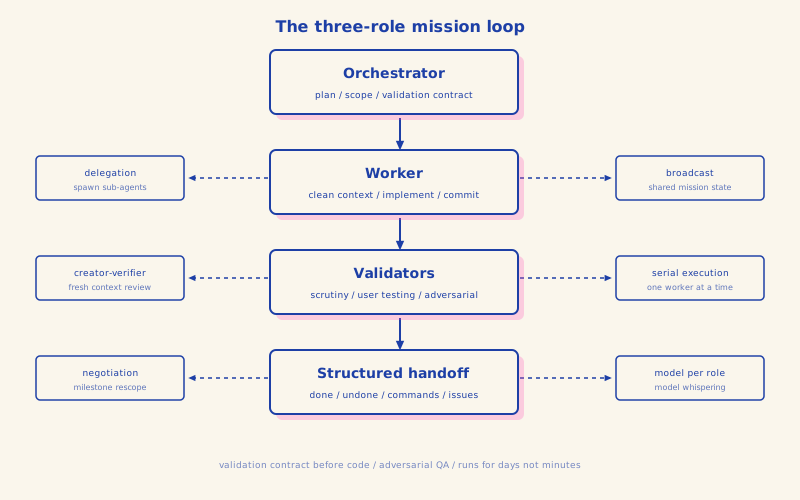
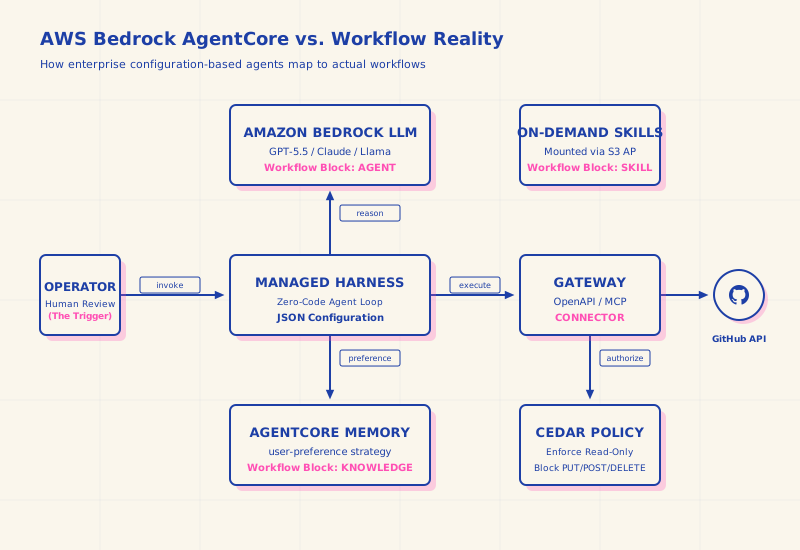
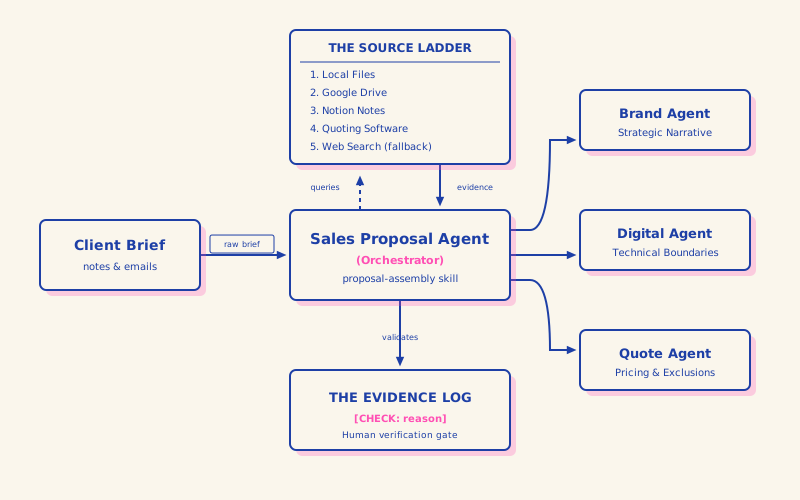
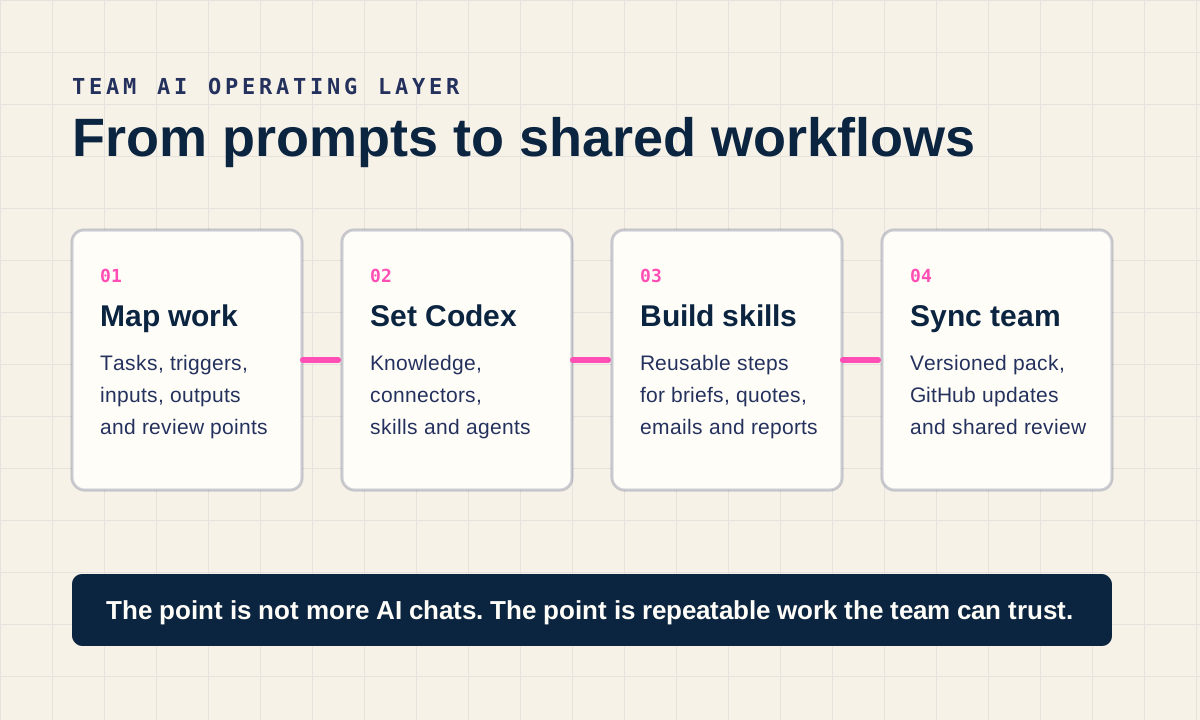
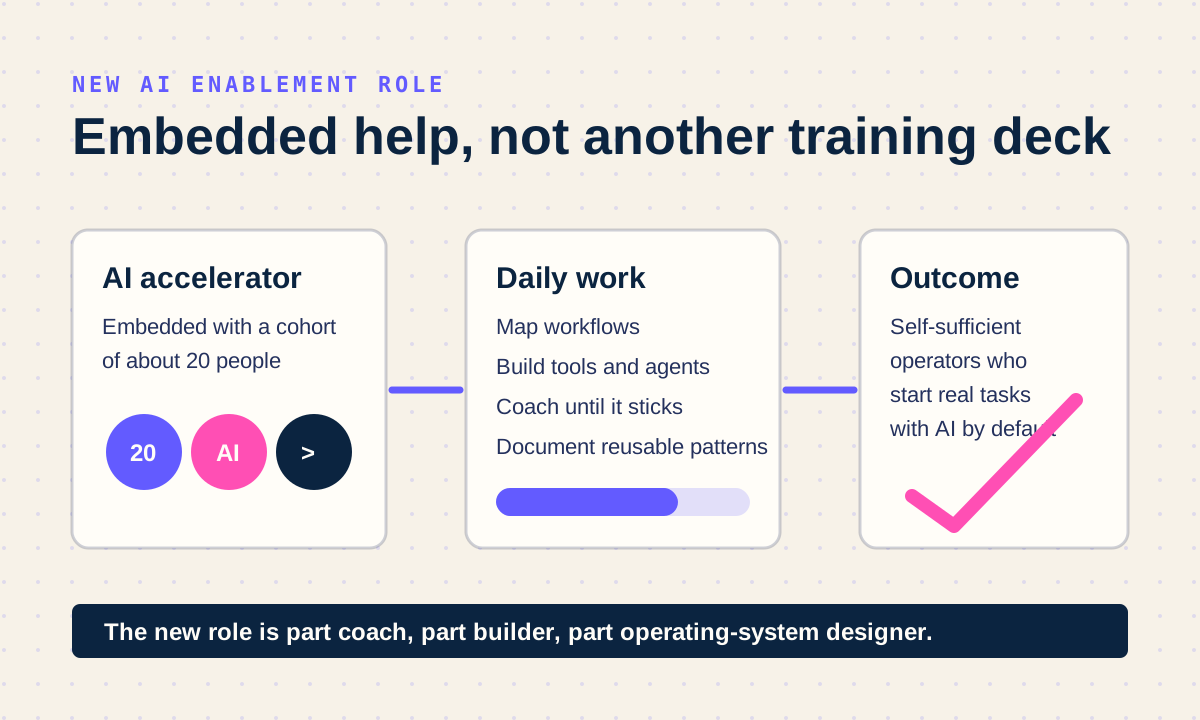
dConcept is where I write that part down: how we onboarded a team to Codex, what made a proposal agent safer to use, and what I would change next time.

Tools I work with

Anthropic logoAnthropic
Cursor logoCursor
n8n logon8n
Supabase logoSupabase
Vercel logoVercel
fal.ai logofal.ai
Codex logoCodex
Next.js logoNext.js
Make logoMake
WordPress logoWordPress
Cloudflare logoCloudflare
OpenRouter logoOpenRouter
Stripe logoStripe
Grok Bot logoGrok Bot
Cloudways logoCloudways
DigitalOcean logoDigitalOcean
Google Cloud logoGoogle Cloud
Gemini logoGemini
Higgsfield logoHiggsfield
NotebookLM logoNotebookLM
Focus

Work

Three areas most of it falls into. Different surfaces, same starting point: understand the job before choosing the tool.

Workflows

A job that repeats, mapped before anything gets automated.

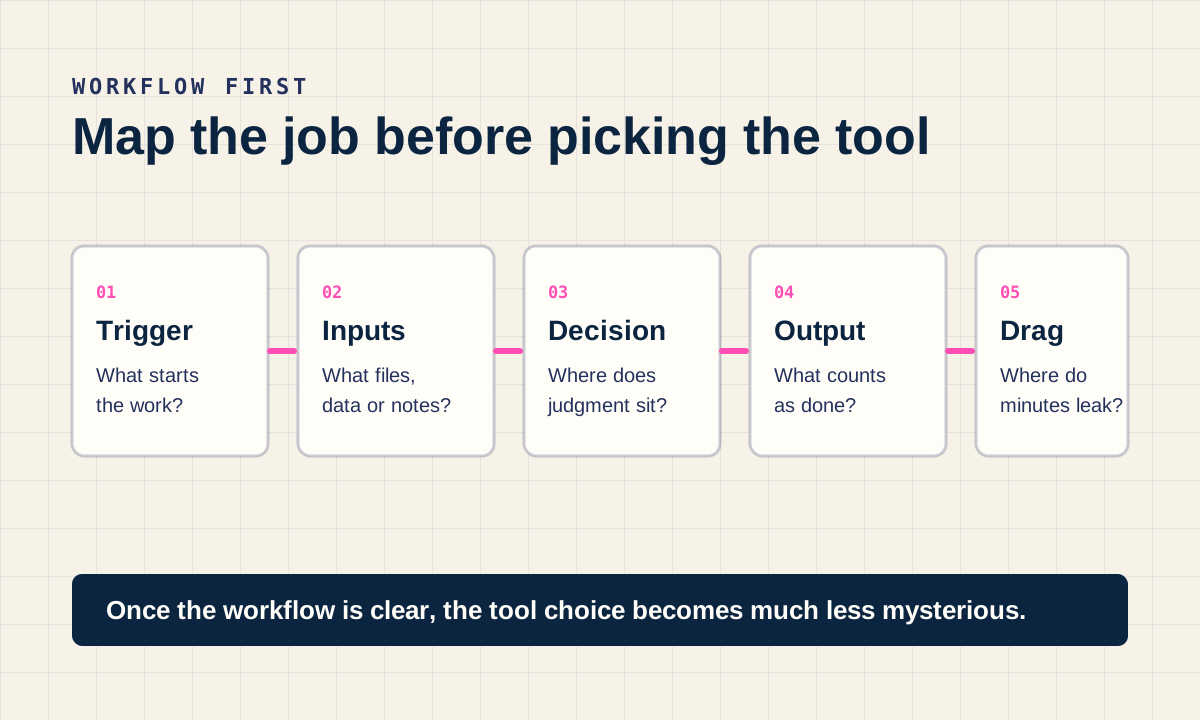
Checking a brief, preparing a proposal, turning meeting notes into actions. I map the trigger, the inputs, the decisions and the review step first. Sometimes the answer is n8n or a script. Sometimes it is a simpler process that never needed automating.

Web products

A public site, an internal tool, or a small app.

The stack follows the job, usually Next.js or WordPress with Cloudflare, Vercel or DigitalOcean underneath. Shipping is only half of it. The thing also has to stay understandable when someone changes it a year later.

AI with a team

Access is the easy part. Everything after it is the work.

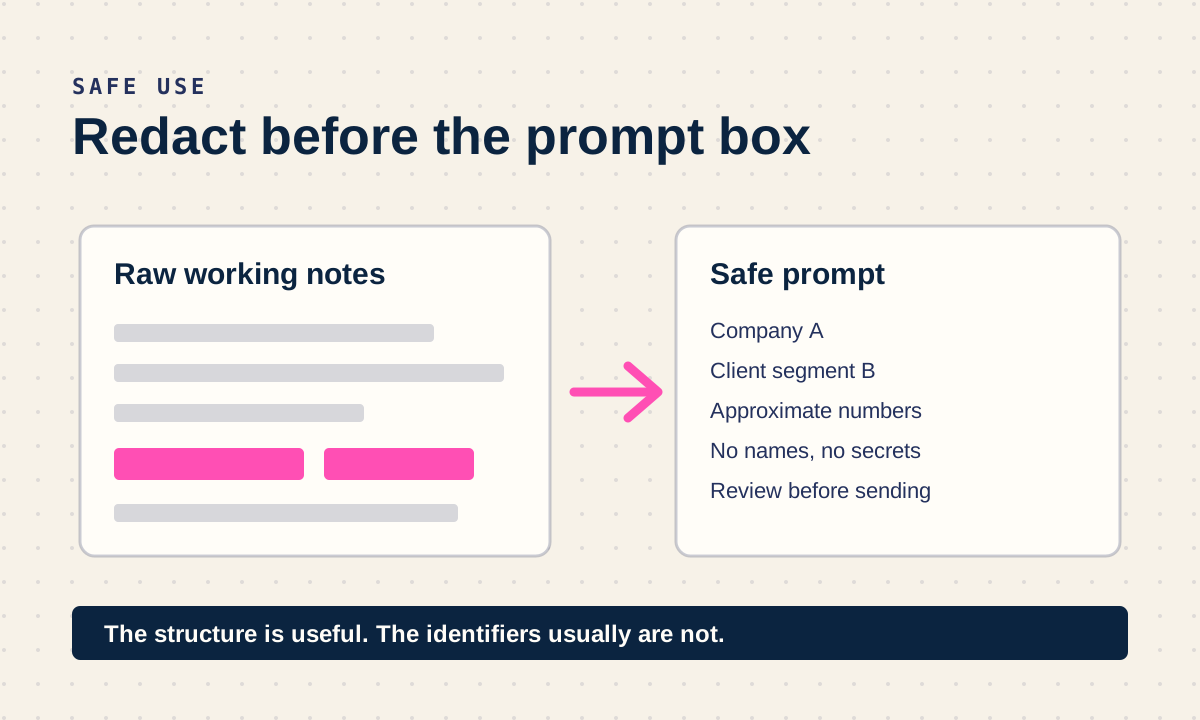
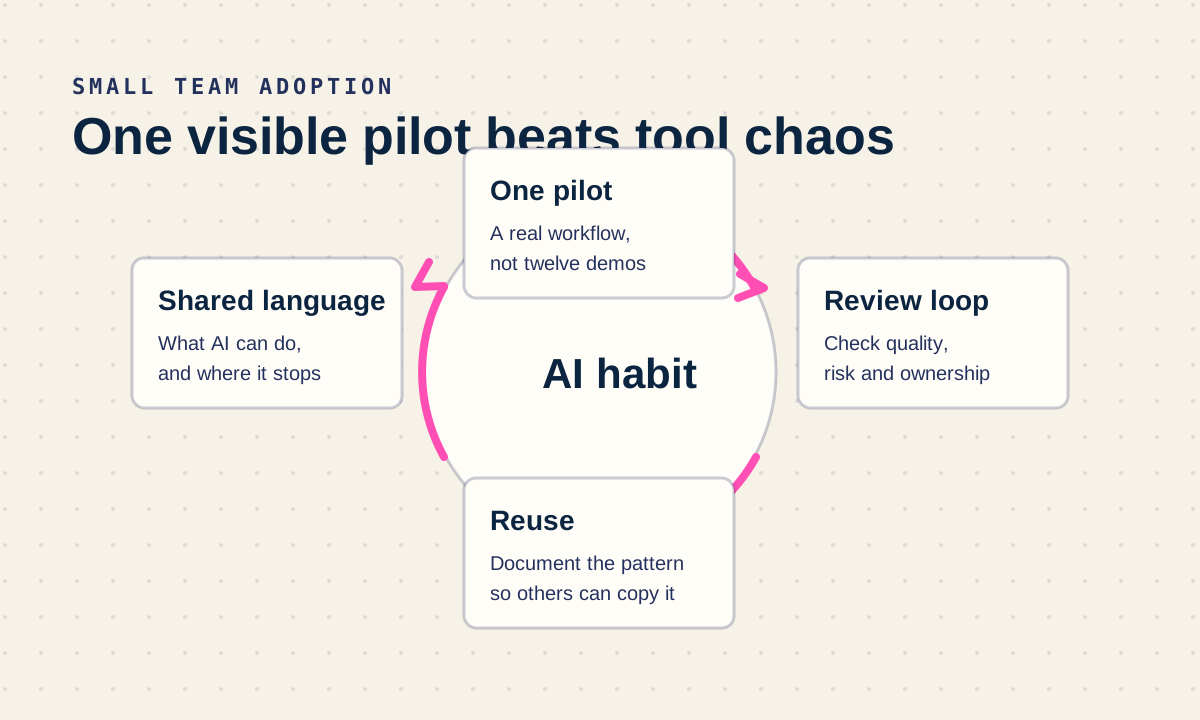
Which jobs a model actually helps with, what information it may use, where review sits, and how one good result becomes something a colleague can repeat. That takes shared instructions, checks and habits, not just a login.

Selected work

Case studies

A few builds where the problem was clear enough to describe. Some were delivered with an agency team, some independently.

HKEX

Capital marketswith Stepworks

A live IPO ceremony screen, not another slide deck

Problem

Every IPO ceremony needed its own PowerPoint. Designers were pulled in each time, and a hand-built deck in a live, televised moment is a mistake waiting to happen.

What was built

A ceremony screen that builds itself from data. Live prices come from Refinitiv and the display stays synced to the trading clock, so what is on the wall matches the market.

  • Replaced a per-ceremony design task with a repeatable template
  • Live market data rather than figures pasted in beforehand
  • Synced to the trading clock so the screen and the market agree
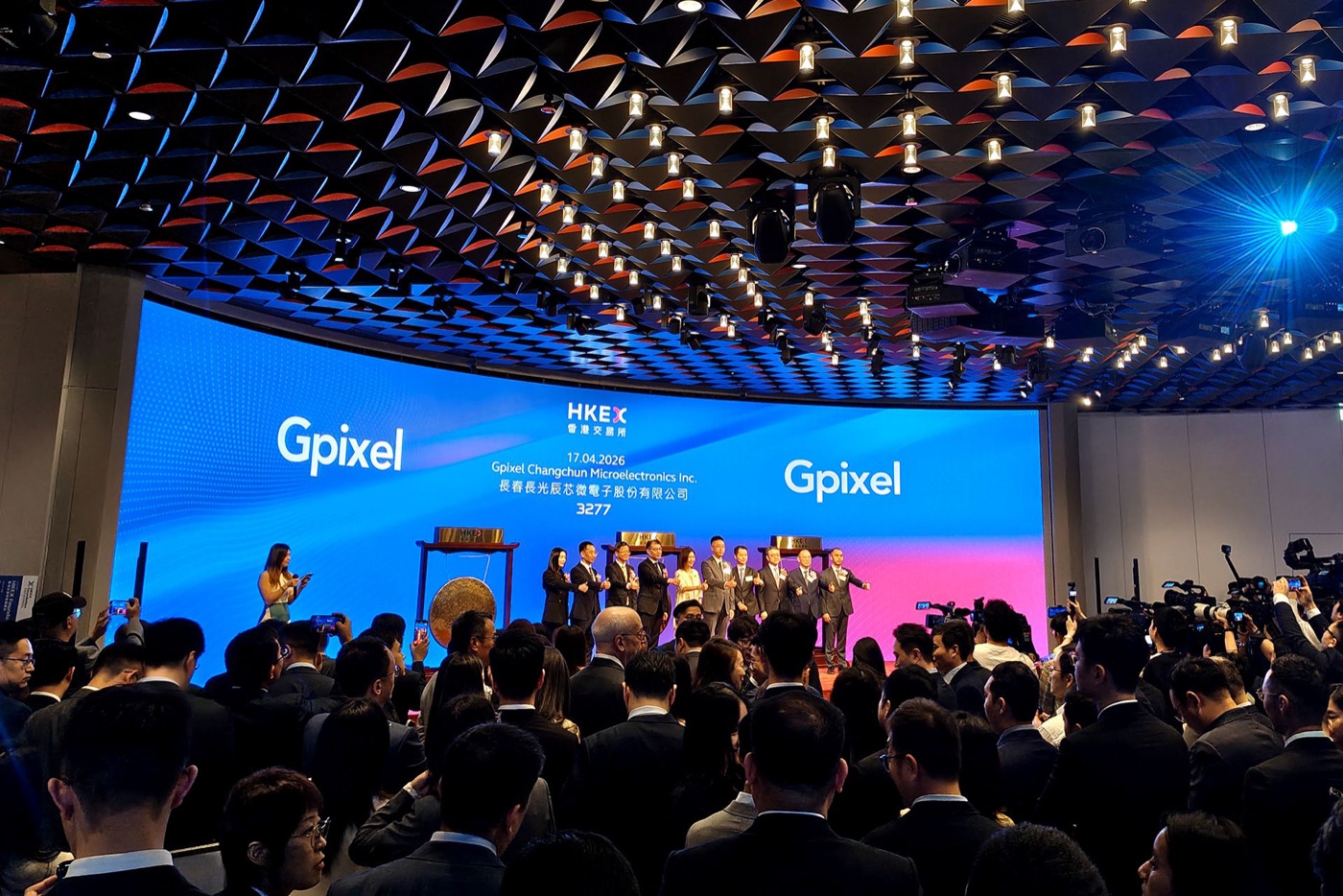
An HKEX listing ceremony in progress, the curved hall screen showing the newly listed company and its ticker

Senszio

Bespoke tailoring

Three tools for a tailor with 9,000 fabrics

Problem

A Hong Kong tailoring house carries around 9,000 fabrics. Photographing every new piece was slow and expensive, the sales floor had no way to show a client what a cloth would actually look like on them, and payment was chased by bank transfer after the appointment had ended.

What was built

Three tools covering the same appointment: generate the imagery, show the client themselves in the cloth, and take the money before they leave.

Product to model

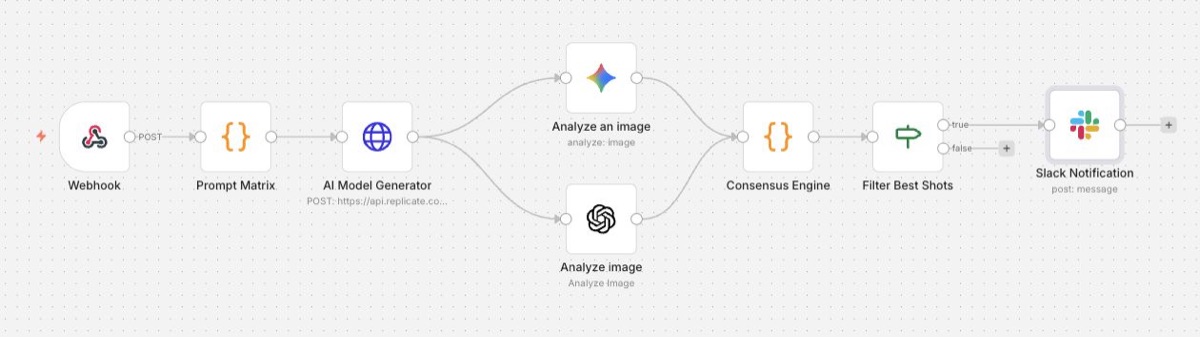
When a product is uploaded, a webhook generates around twenty editorial model shots from the flat garment. The team picks the finals or iterates on them. No photoshoot per piece.

Look generator

An in-appointment tool for the sales floor. Photograph the client's face, enter their build, pick the garment, styling and fabric, and produce a photograph of that client wearing that cloth while they are still in the chair, instead of asking them to picture it.

Payment portal

The specialist fills a short form, the client pays on their own phone through a Stripe-hosted link or QR code, and the payment is confirmed before the client leaves — instead of waiting on a wire transfer that may not arrive.

The generation flow: webhook, prompt matrix, model generator, two analysis passes, a consensus engine, a best-shot filter and a Slack notificationFive generated editorial shots of the same tailoring in different settings: a shopfront, an office, a street wall, a library interior and a cobbled street

Lite.cards

SaaS productwith Stepworks

Digital business cards that survive a reorg

Problem

Teams run out of paper cards, reorder them, change titles, and former employees keep handing out cards that still say they work there.

What was built

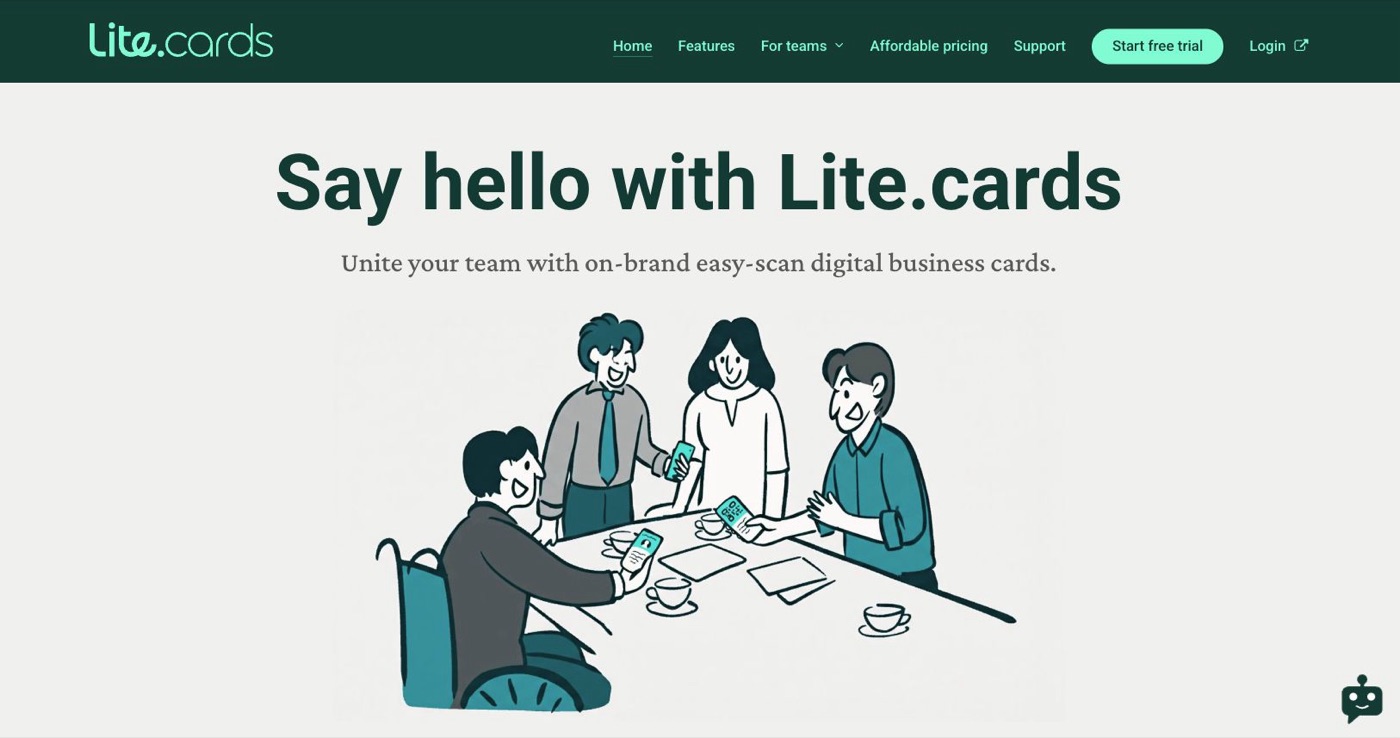
Web-based QR cards with nothing to download. One system covering multiple teams, regions, languages and brands, so a card can be updated or revoked centrally.

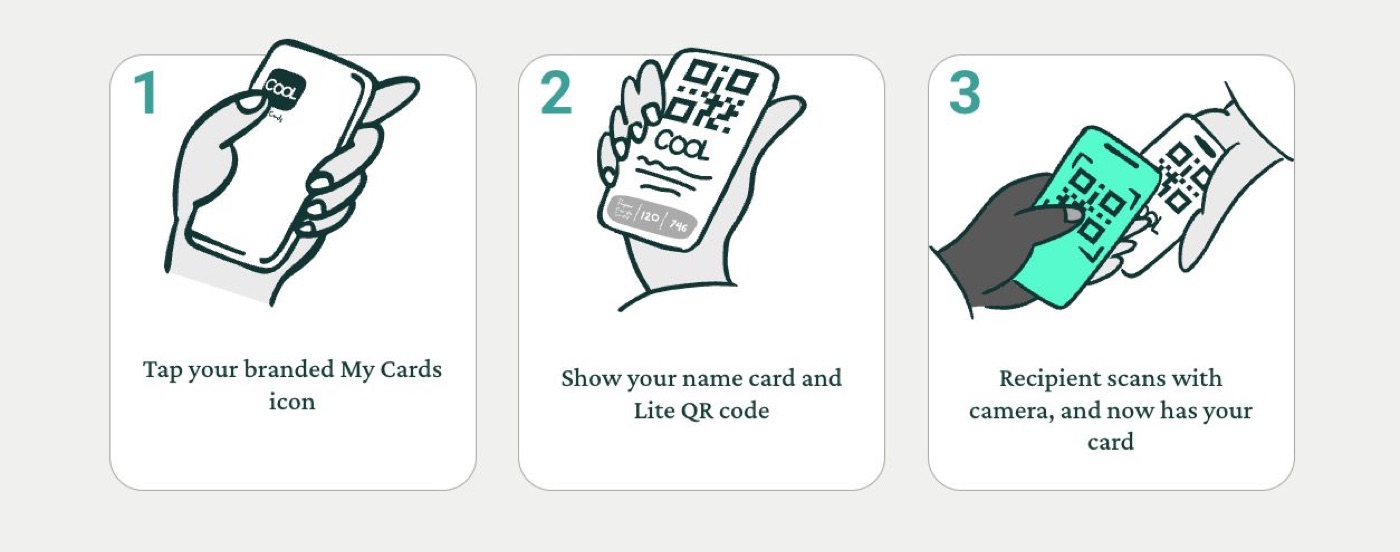
  • No app install — the recipient just uses their camera
  • Multi-team, multi-region, multi-language and multi-brand from one account
  • Cheaper than reprinting, and considerably less waste
The Lite.cards site showing the three-step flow: tap the My Cards icon, show the QR code, the recipient scans itThree steps: tap your branded My Cards icon, show your name card and Lite QR code, the recipient scans with their camera and now has your card

Swire Pacific

Sustainability reportingwith Stepworks

Stop rebuilding the sustainability report every year

Problem

A new sustainability report website was being developed from scratch annually — the same build, the same cost, every cycle.

What was built

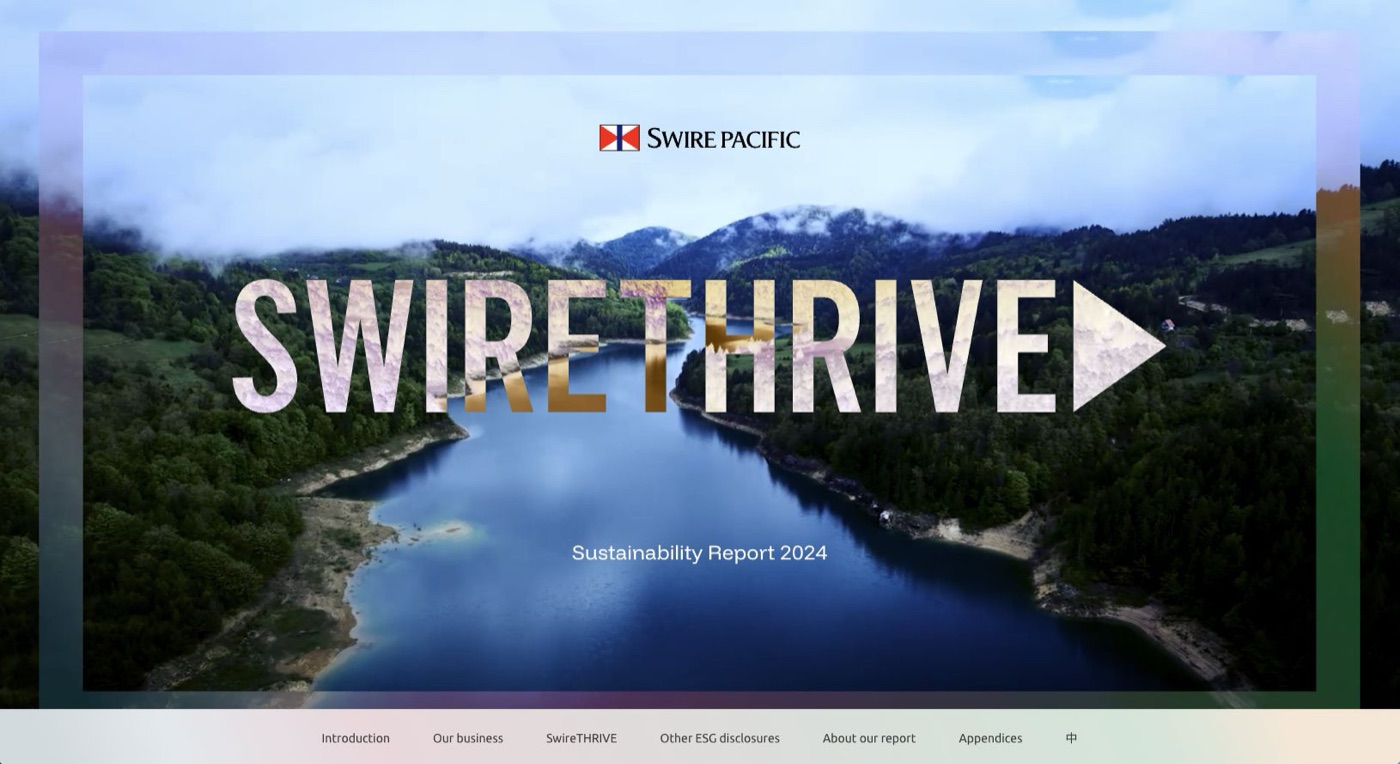
A reporting CMS with a report builder and performance charts, so each year's report is assembled from structured content rather than rebuilt as a bespoke site.

  • Report builder replacing an annual bespoke build
  • Performance charts driven by structured data
  • Content the reporting team can own between cycles
The SwireTHRIVE sustainability report site, showing the report landing view and its section navigation

yoyolab

Creator platform

A creator platform built for Asia, then rebuilt around AI

Problem

The established creator platforms are built Western-first: no real localisation, and monetisation options that do not fit the region.

What was built

An Asia-focused creator platform with localisation and regional monetisation designed in from the start. It then pivoted into an AI influencers platform, with the personalities generated and run end to end.

  • Localisation and regional billing treated as architecture, not an afterthought
  • A model trained per influencer so the face and look stayed consistent
  • A flow that generated photos, sorted them by setting, posted them and replied to followers in that influencer's voice
  • A human still reviewed the image output — the rest mostly ran itself

Insights

Contact

Send me a note about something I wrote or something you’re working on.